Home › Library › Epistide’s Newsroom Evidence & reporting Epistide’s Newsroom Ask better questions about research, headlines and the stories behind the evidence.
Browse the five picks ↓ A note before you browse As an Amazon Associate I earn from qualifying purchases. We also earn commissions from qualifying purchases through our Bookshop.org links. Paid links support the site; they do not determine our evidence assessments. These are editorial selections, not scientific endorsements or medical advice.
This week’s featured five Five picks to explore Five editorial picks for the week of October 26, 2026. Shelf updated October 30, 2026.
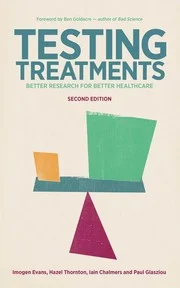
Pick 01 · Fair comparisons Testing Treatments Imogen Evans, Hazel Thornton, Iain Chalmers & Paul Glasziou
Start here Learn why fair tests matter and how bias can mislead. Second edition (2011): enduring research principles, not current treatment recommendations.
The official Testing Treatments site provides the full 2011 second edition by chapter. Historical examples are not current treatment recommendations.
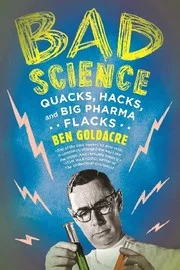
Retailer purchase links are paid affiliate links. Pick 02 · Claims & headlines Bad Science Ben Goldacre
Start here Practice questioning evidence behind health claims, media stories and scientific-sounding marketing.
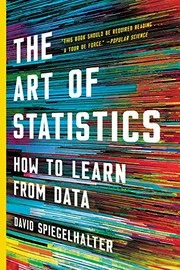
Retailer purchase links are paid affiliate links. Pick 03 · Data literacy The Art of Statistics David Spiegelhalter
Deeper dive Understand what numbers can tell us, what they cannot and why uncertainty belongs in every evidence discussion.
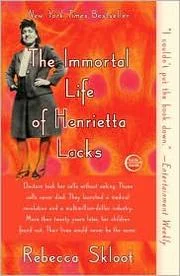
Retailer purchase links are paid affiliate links. Pick 04 · Research ethics The Immortal Life of Henrietta Lacks Rebecca Skloot
Curious reader The story of HeLa cells and the family behind them opens questions about consent, recognition and the human cost of discovery.
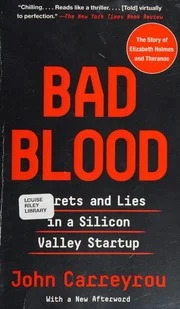
Retailer purchase links are paid affiliate links. Pick 05 · Investigative reporting Bad Blood John Carreyrou
Curious reader Follow the investigation of Theranos and the gap between ambitious promises and verifiable evidence.
Retailer purchase links are paid affiliate links. Cover thumbnails: Open Library, where available; used to identify the books. Cover and book rights belong to their respective owners. Historical books may not reflect current science, policy or clinical care.